
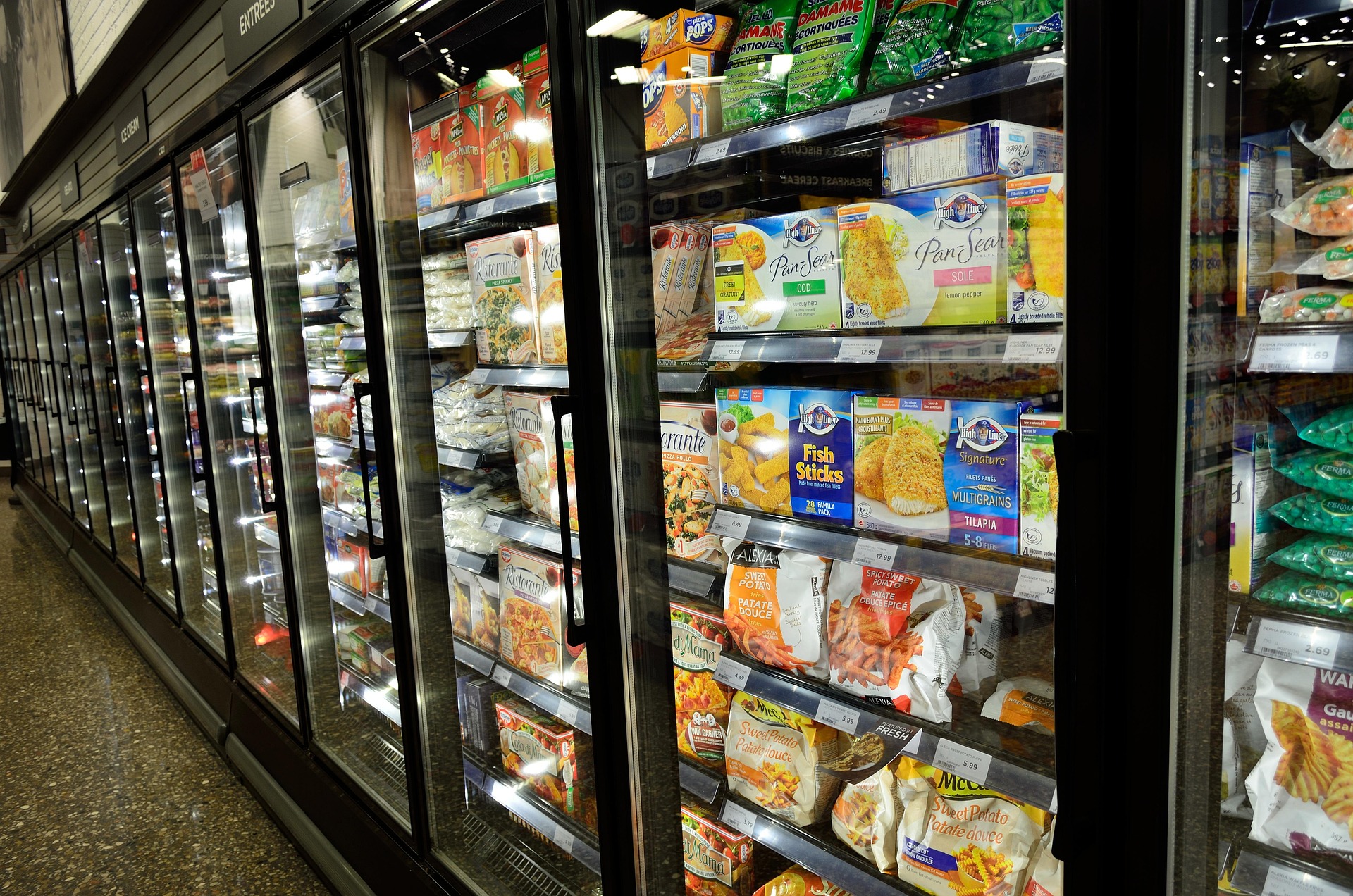
Health and Human Services Secretary Robert F. Kennedy Jr. is sounding the alarm on ultra-processed foods. “Nearly 60% of the American diet is made up of ultra-processed foods, and childhood obesity now affects more than one in five American children,” he said in announcing new rules regarding food ingredients. “We cannot reverse America’s chronic disease epidemic without transforming our food system.” What are these ultra-processed foods, and what should we do if we care about our health and our family’s health?
Walk down almost any grocery store aisle, and you will find shelves lined with boxed, bagged, and ready-to-eat products. Nearly all modern food undergoes some degree of processing, but not all processing is created equal.
In recent years, researchers and nutrition experts have drawn a sharp distinction between traditionally processed foods—like canned beans or plain yogurt—and ultra-processed foods (UPFs). You may occasionally hear people use the term “microprocessed,” but this is a colloquial misnomer; the standard scientific and nutritional classification is ultra-processed.
Understanding what ultra-processed foods are, how they differ from basic processed foods, and why frequent consumption can affect your health can help you make more informed choices for your everyday diet.
Processed vs. Ultra-Processed: Understanding the Difference
Food processing exists on a spectrum. At its simplest, processing involves altering a raw agricultural product to make it safe, edible, or shelf-stable. Cooking, drying, freezing, pasteurizing, fermenting, and canning are all traditional forms of food processing that humans have relied on for generations.
- Processed foods generally consist of whole foods combined with basic culinary ingredients like salt, oil, or sugar, or preserved using standard methods. While altered from their raw state, they typically retain most of their natural cellular structure and nutrient profile.
- Ultra-processed foods, by contrast, are industrial formulations manufactured mostly or entirely from substances extracted from foods (such as refined starches, isolated proteins, and hydrogenated oils) along with additives designed to enhance flavor, texture, color, and shelf life. They usually contain little to no intact whole food.
At a Glance: Comparing the Categories
| Category | Definition & Methods | Common Examples |
|---|---|---|
| Minimally Processed & Processed Foods | Whole foods altered by cooking, canning, freezing, drying, or adding simple culinary ingredients (salt, oil, sugar). Natural structure remains largely intact. | Canned beans, frozen vegetables, canned tuna in olive oil, plain cheese, artisanal bread, plain oats. |
| Ultra-Processed Foods (UPFs) | Multi-ingredient industrial formulations made from refined substances and additives; manufactured using techniques like extrusion, molding, and pre-frying. | Sodas, packaged snack chips, mass-produced packaged sandwich bread, instant noodles, chicken nuggets, sugary breakfast cereals. |
Why Diets High in Ultra-Processed Foods Pose Health Risks
Minimally processed items like frozen berries, canned tomatoes, and plain canned fish are nutritious, accessible, and convenient staples. However, diets heavily dominated by ultra-processed foods have been consistently linked in large nutritional studies to poorer metabolic health, weight gain, and higher risks of chronic conditions like cardiovascular disease and type 2 diabetes.
Here is what researchers have identified as the primary concerns:
1. Hyper-Palatability and Overeating
Ultra-processed foods are engineered to achieve an optimal balance of refined fats, sugars, and sodium—often referred to as the “bliss point.” This precise formulation makes them hyper-palatable, which can override the body’s natural satiety signals. Furthermore, because industrial manufacturing breaks down the original physical structure (the “food matrix”), UPFs are digested quickly, leading to faster spikes and subsequent drops in hunger that encourage overeating.
2. Blood Sugar and Metabolic Impact
Many ultra-processed products are high in rapidly absorbed refined carbohydrates and added sweeteners (such as high-fructose corn syrup) while being stripped of dietary fiber. This combination causes sharp rises in blood glucose levels, requiring the pancreas to produce more insulin. Over time, high intake of refined sugars combined with low fiber intake can increase the risk of developing insulin resistance.
3. Fat Quality
To achieve extended shelf stability and a pleasing mouthfeel, manufacturers often rely on heavily refined oils, interesterified fats, or hydrogenated oils containing trans fats. High dietary intake of these fats—especially when displacing healthful unsaturated fats from nuts, seeds, and fish—can unfavorably alter blood lipid profiles and contribute to systemic inflammation.
4. Potential Gut Microbiome Disruptions
The gut microbiome plays a vital role in digestion, immunity, and overall metabolic regulation. Emerging research suggests that certain additives common in UPFs—such as specific emulsifiers (e.g., carboxymethylcellulose, polysorbate 80), artificial sweeteners, and preservatives—may alter the balance of gut bacteria or thin the protective intestinal mucus layer in some individuals. While research is ongoing, these changes are thought to be a potential mechanism linking UPF-heavy diets to low-grade chronic inflammation.
5. Lower Nutrient Density
The extensive thermal and mechanical processing used to create UPFs often removes naturally occurring vitamins, minerals, antioxidants, and dietary fiber. While some manufacturers add synthetic vitamins back into products through fortification, these enriched items rarely offer the full spectrum of micronutrients and protective phytochemicals found in intact whole foods.
How to Identify Ultra-Processed Foods
You do not need an advanced degree in food science to spot ultra-processed items. When shopping, take a close look at the ingredient statement on the back of the package:
- Look at the complexity of the list: While the popular rule of thumb—”avoid anything with more than five ingredients”—is not an absolute rule (a healthy vegetable soup might contain ten whole-food ingredients), extremely long ingredient lists dominated by unfamiliar terms often indicate heavy industrial processing.
- Spot industrial ingredients: Check for substances you would not typically stock in a home kitchen. These include high-fructose corn syrup, invert sugar, protein isolates, hydrolyzed proteins, and hydrogenated or interesterified oils.
- Identify cosmetic and texturizing additives: Ingredients such as emulsifiers (soy lecithin, mono- and diglycerides, polysorbate 80), flavor enhancers, artificial flavorings, and chemical colorings are characteristic hallmarks of UPFs.
- Maintain perspective on unfamiliar names: An unfamiliar chemical name is not automatically toxic or harmful. For example, ascorbic acid is simply vitamin C, and tocopherols are vitamin E. Rather than assuming unfamiliarity equals danger, view these ingredients as clues to how far removed a product is from a whole food state.
Practical Takeaways: Building a Balanced Plate
Avoiding ultra-processed foods entirely is neither practical nor necessary for most people. Instead of striving for perfection, focus on making whole and minimally processed foods the foundation of your diet:
- Keep the staples: Continue using healthy processed conveniences, such as plain frozen vegetables, canned legumes, rolled oats, and canned fish. These save time while preserving nutritional quality.
- Swap high-frequency UPFs: Identify the ultra-processed items you consume daily and consider simpler alternatives. Swap sugary cereals for plain oats topped with fruit, or replace sweetened sodas with sparkling water infused with citrus.
- Cook simply when possible: Preparing meals at home using basic ingredients gives you direct control over the quality of fats, the amount of added sugar, and the overall sodium content.
By focusing on whole, minimally altered foods as your primary source of nutrition, you can significantly reduce your intake of ultra-processed formulations while maintaining a flexible, enjoyable, and sustainable approach to eating.
