
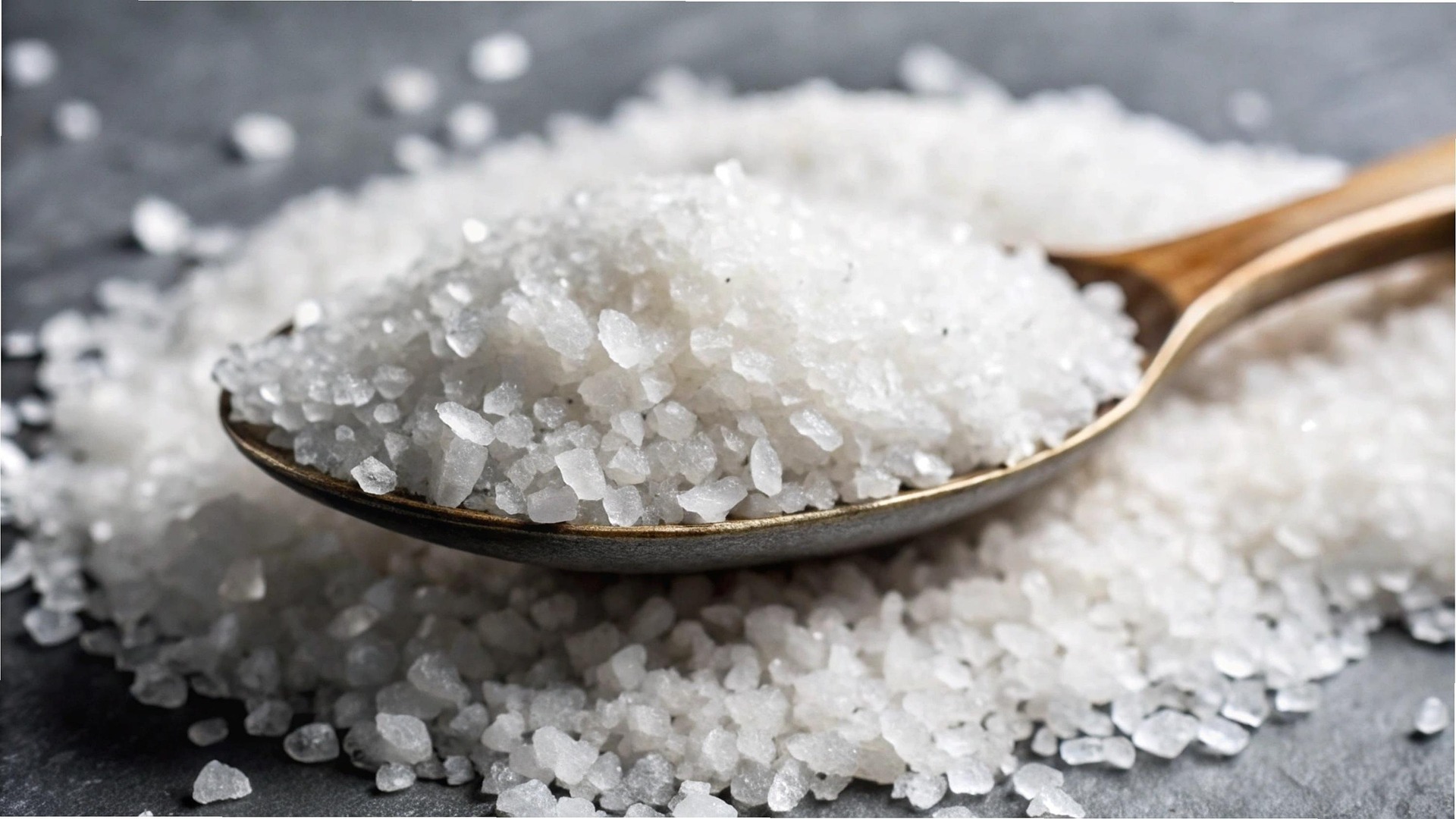
Sodium is an essential mineral that helps regulate fluid balance, nerve function, and muscle contraction. However, most people consume far more than their bodies need, and this excess can trigger a cascade of health problems ranging from temporary bloating to serious chronic diseases.
How Salt Causes Short-Term Weight Gain
When you eat a high-sodium meal, your body responds by retaining water to dilute the excess sodium in your bloodstream and maintain a safe concentration. Your kidneys hold onto fluid rather than excreting it as urine, leading to what’s commonly called “water weight.”
This fluid retention can cause noticeable bloating and swelling in the hands, feet, and ankles. A single salty meal can add two to five pounds to the scale within 24 to 48 hours. While this weight is temporary and not body fat, people who consistently eat high-sodium diets remain in a state of chronic fluid retention, which can mask true weight changes and contribute to persistent puffiness.
Long-Term Effects on Body Fat and Metabolism
Beyond water retention, high salt intake may contribute to actual fat gain through several indirect and possibly direct pathways.
Passive Overeating
Most high-sodium foods are ultra-processed and calorie-dense: fast food, cured meats, chips, frozen dinners, and packaged snacks. Salt enhances flavor and makes these foods highly palatable, encouraging people to eat larger portions and consume more calories than they realize. Because these foods are often low in fiber and protein, they don’t promote lasting fullness.
Increased Caloric Beverage Consumption
Salty foods trigger thirst. When people reach for sugary sodas, sweetened teas, or energy drinks instead of water, they add significant calories to their daily intake without addressing hunger. Over time, this pattern can lead to meaningful weight gain.
Possible Metabolic Effects
Emerging research suggests that high sodium intake may be associated with higher body fat percentage and metabolic syndrome even when total calorie intake is controlled. The mechanisms aren’t fully understood, but chronic sodium excess may promote low-grade inflammation and insulin resistance. More research is needed to establish direct causation.
Cardiovascular Risks
Excess sodium increases blood volume, which forces the heart to pump harder and raises pressure against arterial walls. This sustained elevation in blood pressure, or hypertension, is one of the most well-established consequences of high salt intake.
Over time, high blood pressure damages the delicate inner lining of blood vessels. Arteries lose their elasticity and become stiff, which dramatically increases the risk of coronary artery disease, heart attacks, and strokes. The heart muscle itself can weaken after years of working against elevated pressure, potentially leading to heart failure.
Kidney Strain and Disease
The kidneys are responsible for filtering excess sodium from the blood. Chronic high sodium intake forces them to work overtime. This sustained stress can contribute to the development of chronic kidney disease over time.
High sodium levels also increase calcium excretion in the urine, which raises the risk of kidney stones. People with existing kidney problems are particularly vulnerable to the effects of excess sodium.
Bone Health
When the body excretes sodium through urine, it also excretes calcium. Chronic high salt intake can gradually deplete calcium reserves, potentially contributing to reduced bone density and an increased risk of osteoporosis, especially in older adults and postmenopausal women.
Stomach Cancer Risk
High concentrations of salt can irritate and damage the protective mucosal lining of the stomach. This damage makes the stomach more vulnerable to infection by Helicobacter pylori, a bacterium strongly linked to gastric cancer. Population studies have found associations between high salt intake and increased stomach cancer risk, though individual risk depends on many factors.
Practical Sodium Targets
The average American consumes approximately 3,400 milligrams of sodium per day, which is roughly one and a half teaspoons of salt. The Dietary Guidelines for Americans recommend limiting sodium to less than 2,300 milligrams per day for most adults. The American Heart Association suggests an even lower ideal limit of 1,500 milligrams per day, particularly for people with hypertension or at high risk for cardiovascular disease.
Individual needs vary based on age, health status, activity level, and other factors. People who sweat heavily through intense exercise or work in hot environments may need somewhat more sodium, while those with heart disease, kidney disease, or high blood pressure typically benefit from stricter limits.
Where Sodium Hides
Approximately 70 to 75 percent of dietary sodium comes from processed and restaurant foods, not from the salt shaker on the table. Bread, deli meats, pizza, canned soups, condiments, and frozen meals are among the top contributors. Even foods that don’t taste particularly salty, such as breakfast cereals and baked goods, can contain significant amounts of sodium as a preservative or processing aid.
Reading nutrition labels and choosing fresh, minimally processed foods are the most effective strategies for reducing sodium intake. Cooking at home allows for better control over salt content, and gradually reducing sodium gives taste buds time to adjust to less salty flavors.
