
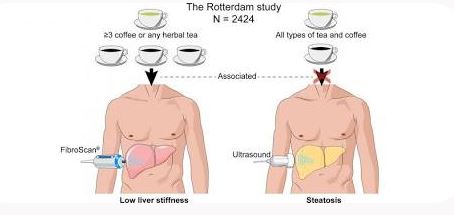
The popular saying “Cup of Joe,” which refers to a cup of coffee, comes from Navy Secretary Josephus Daniels, who banned alcohol on ships. Coffee took over, and was sardonically referred to as a “Cup of Joe.” Mr. Daniels was actually doing the Navy crews a benefit. Replacing alcohol with coffee is a big health step forward, especially for the liver.
Your morning coffee ritual may be doing more than waking you up—it could be quietly protecting one of your body’s hardest-working organs. While caffeine tends to steal the spotlight, the real health story brewing in your cup involves more than 1,000 bioactive compounds working together to support your liver and beyond.
More Than Just a Caffeine Kick
Coffee isn’t a simple beverage. Each cup delivers a complex blend of antioxidants, polyphenols (plant compounds with protective properties), and essential minerals. This chemical orchestra appears to offer particular benefits to the liver, the organ responsible for filtering and metabolizing nearly everything you consume. Research consistently links moderate coffee consumption—generally up to three cups daily—with measurable protective effects for liver health and several other body systems.
How Coffee May Shield Your Liver
Slowing Scar Tissue Formation
When your body breaks down caffeine, it produces a metabolite called paraxanthine. This compound appears to interfere with the formation of fibrous scar tissue in the liver, a process known as fibrosis. Over time, unchecked fibrosis can progress to cirrhosis, a serious form of chronic liver damage. By slowing this scarring process, regular coffee intake may help preserve normal liver architecture and function.
Reducing Liver Fat
One of coffee’s star players is chlorogenic acid (CGA), a potent polyphenol that seems to reduce fat accumulation inside liver cells. This makes coffee particularly relevant for metabolic dysfunction-associated steatotic liver disease (MASLD)—formerly called non-alcoholic fatty liver disease—a condition affecting millions of people worldwide. Studies suggest that regular coffee drinkers show less severe fat buildup in the liver compared to those who skip the brew.
Lowering Liver Cancer Risk
Perhaps most striking, drinking two to three cups of coffee per day has been associated with up to a 40% reduction in hepatocellular carcinoma (HCC), the most common type of primary liver cancer. The proposed mechanisms include suppressing chronic inflammation and enhancing the liver’s ability to repair damaged DNA in hepatocytes (liver cells). While coffee certainly isn’t a cancer prevention guarantee, the consistency of this association across multiple studies is noteworthy.
Normalizing Liver Enzymes
Blood tests measuring liver enzymes like ALT (alanine aminotransferase) and GGT (gamma-glutamyl transferase) serve as standard markers for liver inflammation and damage. Coffee consumption has been linked to lower, more normalized levels of these enzymes, suggesting reduced ongoing liver stress.
Benefits That Reach Beyond the Liver
The protective effects of moderate coffee intake extend to several other body systems:
Cardiovascular Health: Coffee’s rich antioxidant content may improve the function of the endothelium (the inner lining of blood vessels) and reduce vascular inflammation. Regular consumption has been associated with a reduced risk of stroke and a 10–15% lower risk of heart failure.
Metabolic Function: Chlorogenic acids appear to improve how your body responds to insulin and processes glucose. Coffee drinkers show a 20–25% lower risk of developing Type 2 diabetes compared to non-drinkers—a substantial association that holds across diverse populations.
Neurological Health: Caffeine blocks adenosine receptors in the brain, increasing the activity of dopamine and norepinephrine, two important neurotransmitters. Long-term moderate consumption has been linked to lower rates of Parkinson’s disease and Alzheimer’s disease, though the exact protective mechanisms remain under investigation.
Overall Longevity: Coffee’s high concentration of polyphenols helps combat oxidative stress and cellular aging throughout the body. Multiple large studies have found that regular coffee drinkers have a lower risk of death from all causes compared to non-drinkers.
How to Make Your Coffee Habit Healthier
Not all coffee is created equal when it comes to health benefits. A few simple adjustments can help you maximize the positives:
Go Easy on Sugar and Cream: Loading your cup with refined sugar, flavored syrups, or high-fat creamers can undermine coffee’s insulin-sensitizing and anti-inflammatory properties. If you need to sweeten or lighten your brew, use modest amounts.
Choose Filtered Coffee: Paper filters trap cafestol and kahweol, two diterpenes naturally present in coffee oils. While these compounds may have some beneficial properties, they can raise LDL cholesterol levels when consumed in large amounts through unfiltered methods like French press, Turkish coffee, or boiled coffee. If you love these brewing styles, consider alternating with filtered coffee.
Watch Your Timing: Caffeine has a half-life of five to six hours, meaning half of it is still circulating in your system hours after you drink it. To protect your sleep quality—which is crucial for liver repair and overall health—consider making early afternoon your cutoff time for caffeinated coffee.
The Bottom Line
The evidence linking moderate coffee consumption to liver protection and broader health benefits is remarkably consistent across research. But it’s important to remember that these are associations observed in large populations, not guarantees for individuals. Coffee is not a medical treatment, and it won’t reverse existing liver disease or replace healthy lifestyle habits.
Individual responses to coffee vary widely based on genetics, metabolism, and overall health status. People with certain medical conditions, those who are pregnant or breastfeeding, anyone taking medications that interact with caffeine, or individuals with caffeine sensitivity should consult their healthcare provider about appropriate coffee consumption.
The “up to three cups a day” guideline is a general range based on research patterns, not a prescription. Some people thrive on one cup; others do well with three. Listen to your body, pay attention to how coffee affects your sleep and anxiety levels, and adjust accordingly.
For most healthy adults, though, that daily cup of joe appears to be more than just a pleasant ritual—it may be a surprisingly effective way to support your liver and your long-term health.
